Aracena, July, 2024
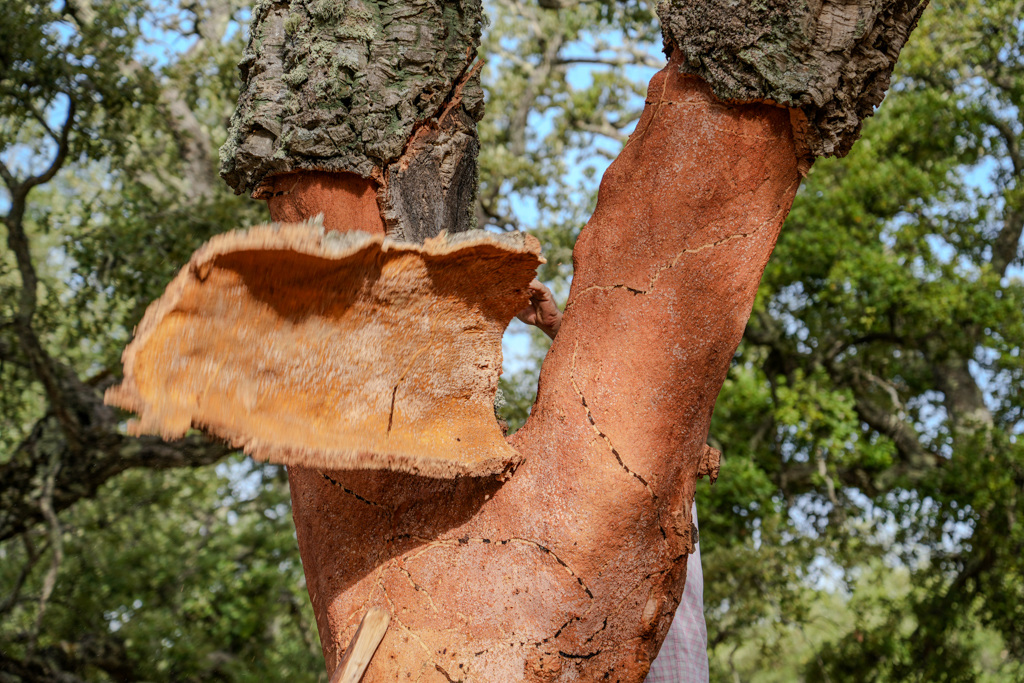
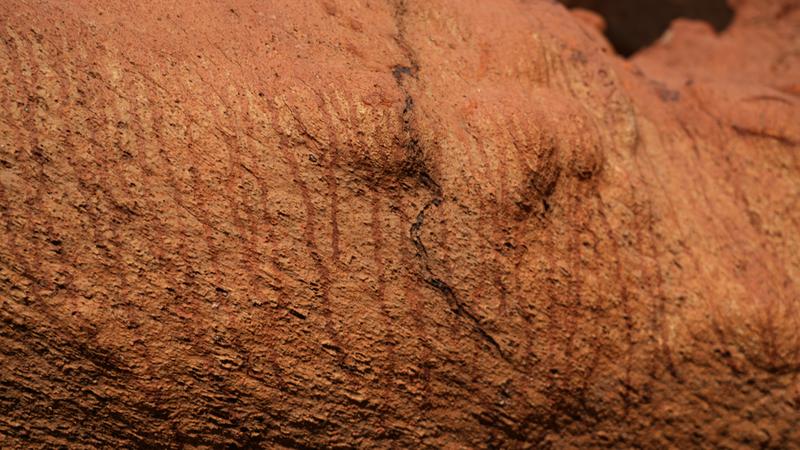
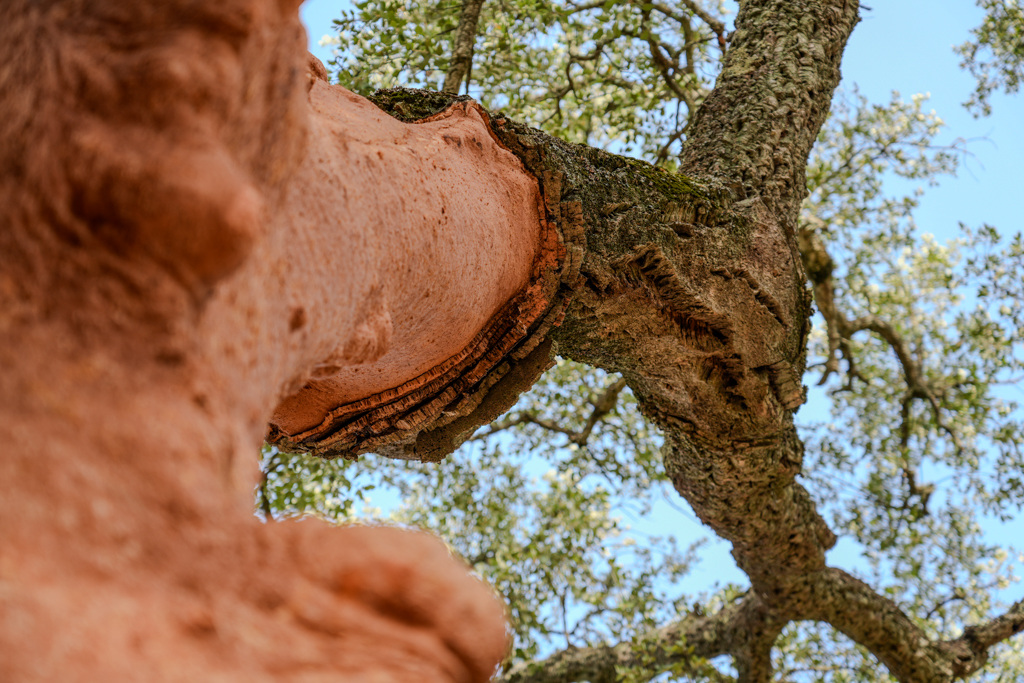
If Trees Could Cry is an audiovisual exploration that delves into the intricate relationship between nature, human intervention, and the unseen life of trees. The work captures the ancient craft of cork harvesting from the cork oak—a ritual that is not only a visual experience but also a sensory one. As the aroma of freshly cut cork fills the air, the rhythmic sound of axes striking bark echoes through the landscape, creating a sound that resonates deep within the land.
Set in the landscapes of Aracena, Spain, this practice of cork harvesting is more than just an economic activity; it is an integral part of the region’s heritage. In my work I attempt to capture the interaction between the fluidity of nature with the geometry of human craftsmanship as a dialogue in which the organic and the constructed are not separate but intertwined, each informing the other.
However, the focus of If Trees Could Cry goes beyond the aesthetic. The project is rooted in a deeper, more poignant question: Can trees cry? I was not only intrigued by the physicality of the oak peelers’ labor, but also by the emotional experience of the trees themselves. How does the cork oak feel as it is stripped of its bark every nine years with precise, almost graphic accuracy? What happens to the tree under the harsh summer sun, with temperatures rising above 40°C? This project in Aracena marks the beginning of a larger inquiry into the sensations of trees—their ‘pain’ and how they might experience such treatments.
Through my research, I aim to measure the pain of trees and transform this data into something visceral and tangible. By capturing EEG signals from trees subjected to harm, I convert these biofeedback patterns into audio, allowing visitors to experience the unheard cries of the tree. If Trees Could Cry is an invitation to engage with nature not just through sight, but through the deeper, often forgotten senses of touch, sound, and emotion—bringing us closer to the sensitive world around us.